























 English
  Français
Digital-Nomad Visa Changes: 12 Months to June 2026
When the law moves, the numbers on these pages move with it. Most of this year’s changes were about money — income thresholds tied to local minimum wages and rising government fees — so they feed directly into how you should read our cost-of-living and taxes guides. Here is a short, country-by-country summary of the digital-nomad-visa changes confirmed over the 12 months to June 2026.
Portugal (D8)
Portugal’s minimum guaranteed remuneration (RMMG) rose to EUR 920 on 1 January 2026, and because the D8 income test is set at four times that figure, the threshold climbed to EUR 3,680 per month. Separately, family reunification now generally requires a residence permit valid for at least two years, and the residence requirement for naturalisation was raised to 10 years (7 years for nationals of Portuguese-speaking CPLP countries and EU member states).
Spain (DNV)
Spain’s minimum wage (SMI) increased to EUR 1,221 per month, which lifted the main-applicant income requirement for the international teleworker authorisation to EUR 2,442 per month (200% of the monthly SMI). The other notable change is procedural: holders of a non-lucrative residence authorisation cannot switch in-country to the teleworker authorisation, because the non-lucrative permit does not authorise work.
Croatia (DN)
Croatia extended the maximum digital-nomad stay from 12 to 18 months, within which one extension is possible. For 2026, the income figure published by the interior ministry (MUP) stands at EUR 3,622.50 per month, calculated as 2.5 times the previous year’s average net salary.
Greece (DNV)
Law 5275/2026 abolished the in-country route that previously let visitors apply directly for the digital-nomad residence permit from inside Greece. A national D visa obtained from a Greek consulate is now a mandatory first step, while the income, fee and insurance parameters for the visa are unchanged.
Mexico (RT)
New visa Lineamientos published in the Diario Oficial de la Federación re-based the economic-solvency thresholds on UMA days. Separately, INM card fees rose sharply from 1 January 2026, with the one-year temporary resident card now listed at MXN 11,141.
Indonesia (E33G)
Since 29 May 2025, foreigners extending their stay permit — including E33G ITAS extensions that were previously fully online — must attend an immigration office in person for a photo and interview after registering online. The income and fee parameters, including the USD 60,000 annual income threshold and the Rp 7,000,000 fee, remain unchanged.
For full requirements and the official sources behind each figure, see the country guides for Portugal, Spain, Croatia, Greece, Mexico and Indonesia.
Programs in this post
Responsible editor at living-abroad.org. Reviews every figure against its official source before publication — every claim sourced, every figure dated.
Keep reading
Related articles

Greece digital nomad visa 2026: the consular D visa is now a mandatory first step
Law 5275/2026 closed Greece's in-country digital nomad route. You now need a D (Z.1) visa from a Greek consulate before the permit.
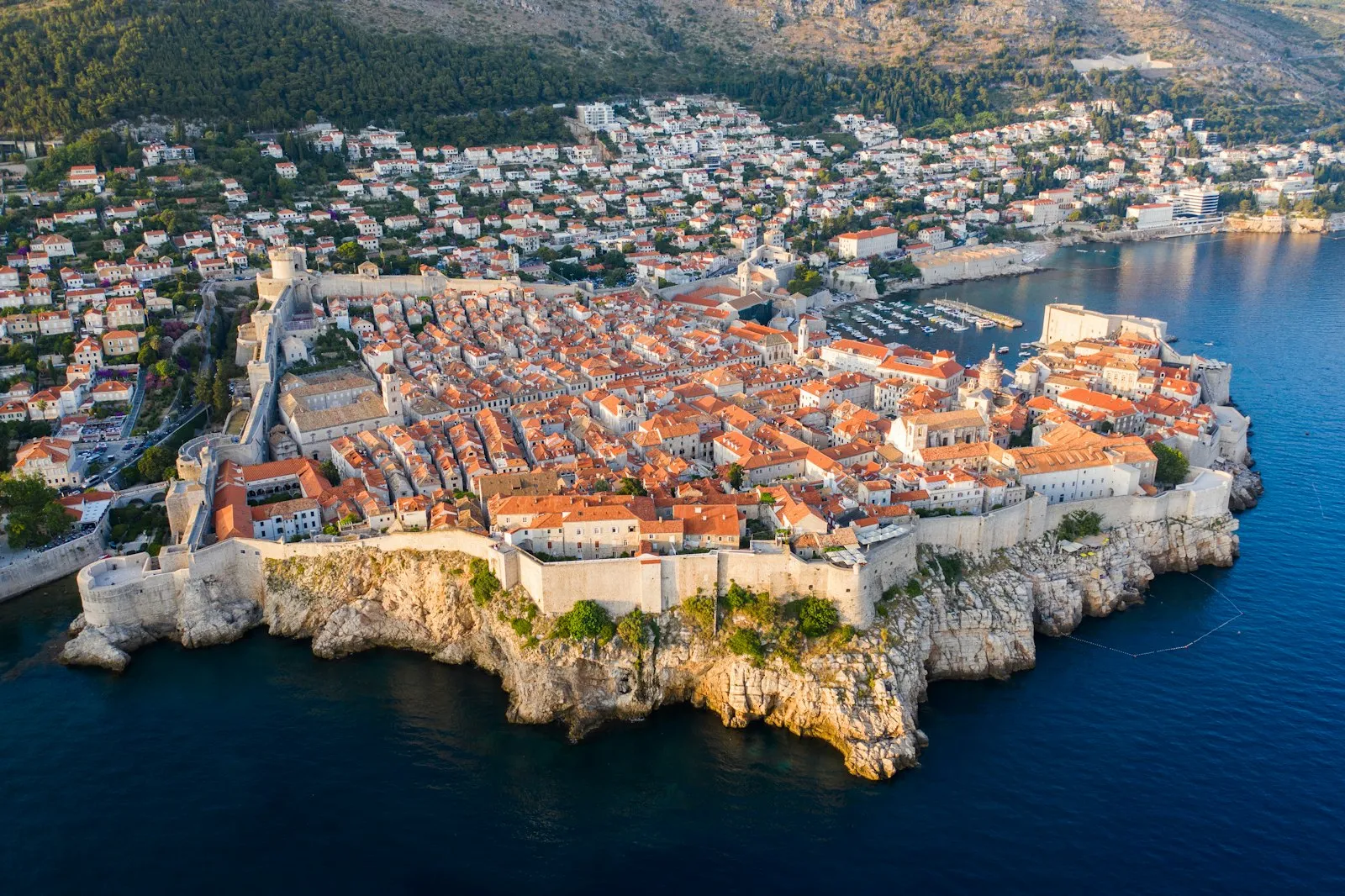
Croatia Extends Digital Nomad Stay to 18 Months
Croatia's 2025 Foreigners Act amendment raises the maximum digital nomad stay to 18 months and confirms the 2026 income threshold of EUR 3,622.50 a month.
Portugal D8 income rises to EUR 3,680/month in 2026
Portugal's D8 remote-work visa income threshold rose to EUR 3,680/month in 2026 after the minimum wage increase, plus the year's family and naturalisation changes.